
Healthy Eating Guidance
Explore comprehensive articles and resources on nutrition, meal planning, and healthy lifestyle choices. Our editorial team brings you evidence-based information to support your wellness journey.
Browse Our Content Categories
Filter by topic to find articles most relevant to your nutrition and wellness interests.

Weekly Meal Preparation Strategy
Learn how to structure your weekly meals for maximum nutrition and convenience. Discover techniques for batch cooking, proper food storage, and creating balanced plates that support your health goals throughout the week.
Read more →
Understanding Macronutrient Balance
Explore the importance of carbohydrates, proteins, and healthy fats in your daily nutrition. Our guide breaks down recommended proportions and shows you how to build meals that provide sustained energy and support optimal body function.
Learn more →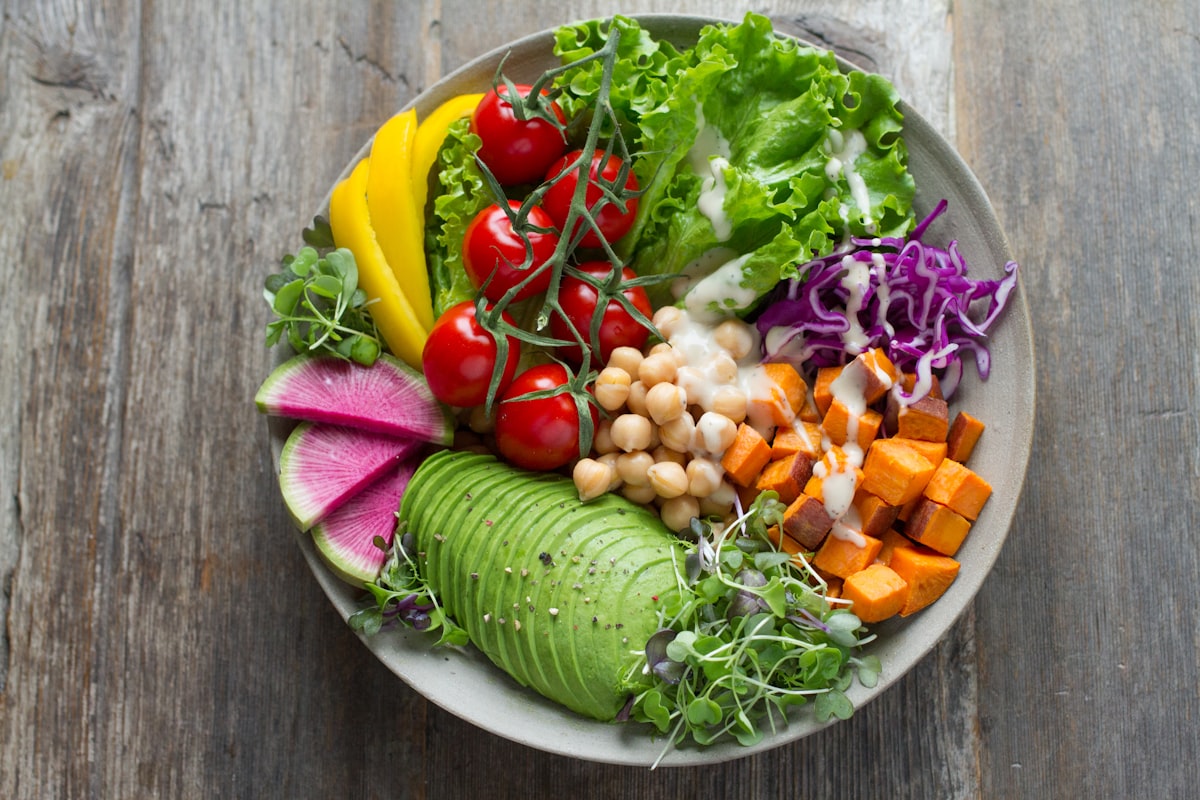
Essential Nutrients Your Body Needs
Discover the vitamins, minerals, and micronutrients essential for good health. Learn which foods are rich sources of key nutrients and understand how deficiencies affect your wellness, energy levels, and overall vitality.
Explore article →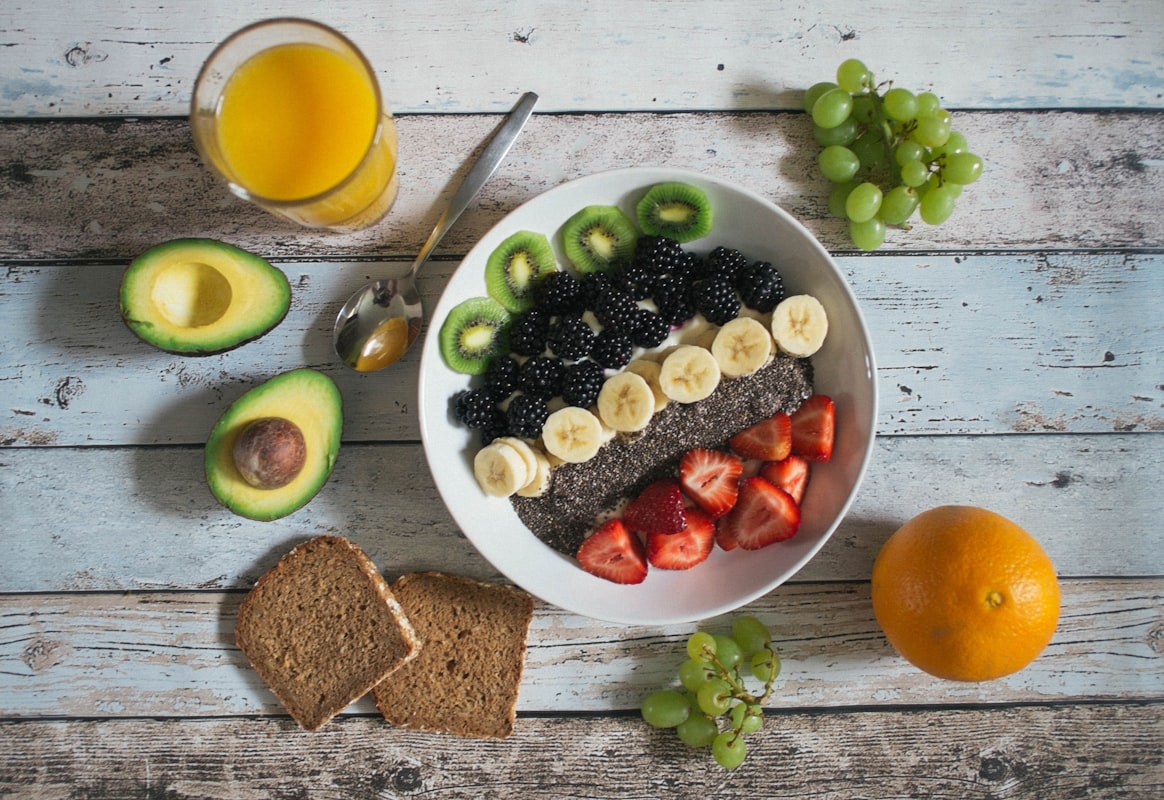
Integrating Healthy Eating Into Daily Life
Find practical strategies for maintaining nutritious eating habits amidst a busy schedule. Learn about mindful eating, portion awareness, and creating sustainable dietary habits that work with your lifestyle and personal preferences.
Read article →
Food Sources of Key Nutrients
Comprehensive guide to finding nutrients naturally in whole foods. Learn which plant and animal sources provide iron, calcium, vitamin D, omega-3 fatty acids, and other critical compounds for maintaining excellent health.
Discover more →
Making Smart Food Choices
Learn how to read nutrition labels, identify whole foods, and make informed decisions at the grocery store. Our guide covers food quality indicators, seasonal eating, and building a pantry stocked with nutritious essentials.
View guide →
The Role of Proper Hydration
Understand how water intake affects your body's functions, energy levels, and overall wellness. Explore hydration recommendations, the benefits of different beverages, and how to ensure you're drinking enough throughout your day.
Learn more →
Creating Lasting Dietary Habits
Develop sustainable eating patterns that become part of your lifestyle. Discover behavioral strategies, goal-setting techniques, and ways to overcome common obstacles when building new nutritious habits for long-term wellness.
Read article →Expert Nutrition Guidance Available
While our editorial content provides comprehensive information about healthy eating and nutrition, personalized guidance from a qualified nutritionist can help you develop a plan tailored to your specific needs and goals.
Our team at Wellnessnutridocs is ready to discuss how professional nutritionist guidance can complement the information you've discovered in our articles.

Stay Updated on Nutrition Topics
Join our community to receive updates about new articles, nutrition insights, and wellness information delivered to your inbox.
We respect your privacy. Unsubscribe at any time. For more information, see our privacy policy.
Frequently Asked Questions
What should a balanced meal include? +
A balanced meal typically includes a source of lean protein (such as fish, poultry, legumes, or eggs), whole grains or starchy vegetables for carbohydrates, plenty of colorful vegetables for vitamins and minerals, and a small amount of healthy fat (like olive oil or nuts). The proportions can vary based on individual needs and activity levels, but this foundation supports sustained energy and overall wellness.
How much water should I drink daily? +
While individual needs vary based on activity level, climate, and body composition, a common recommendation is about 2 liters (8 cups) of water per day. However, thirst is a reliable indicator for most people. You might need more if you exercise regularly, live in a hot climate, or are pregnant. Monitor your urine color as a hydration indicator—pale yellow typically indicates adequate hydration.
Which foods are rich in plant-based protein? +
Excellent plant-based protein sources include legumes (beans, lentils, chickpeas), tofu and tempeh, nuts and seeds (almonds, chia seeds, pumpkin seeds), whole grains like quinoa and oats, and nutritional yeast. Combining different plant proteins throughout the day ensures you receive all essential amino acids needed for body function and recovery.
How can I plan meals for the whole week? +
Start by choosing 2-3 breakfast options, 2-3 lunch options, and 2-3 dinner options you enjoy. Create a shopping list based on these selections, accounting for snacks and any fresh produce you'll use throughout the week. Batch cook proteins and grains on one day, then mix and match them with fresh vegetables throughout the week. This approach saves time while maintaining nutritional variety.
What are simple strategies for mindful eating? +
Mindful eating includes eating without distractions (no screens), chewing thoroughly, listening to your body's hunger and satiety cues, and eating slowly to allow your brain time to register fullness. Paying attention to flavors and textures enhances satisfaction. Taking a few deep breaths before eating can also help you connect with your actual hunger levels rather than eating out of habit or emotion.
How do I read and understand nutrition labels? +
Focus on serving size first, as all information is based on that amount. Check the ingredient list—items are listed by weight, so simpler ingredient lists often indicate less processing. Review calories, macronutrients (protein, carbs, fats), and key micronutrients. Aim for foods higher in fiber, vitamins, and minerals, while moderating added sugars and sodium. Compare similar products to make informed choices.
Questions About Our Content?
Our editorial team at Wellnessnutridocs welcomes your feedback on our nutrition articles and guides. We're committed to providing accurate, helpful information to support your wellness journey.